Sealing Rice And Sugar In Lightweight Cans?
A single can of corn can tell you more about inflation than a dozen headlines. We kick things off with my “corn index” and a weird pricing puzzle: why the exact same pantry staple can cost less online than it does when…
A single can of corn can tell you more about inflation than a dozen headlines. We kick things off with my “corn index” and a weird pricing puzzle: why the exact same pantry staple can cost less online than it does when you walk into the store. If you’re into practical prepping, emergency preparedness, and real-life budgeting, this is the kind of simple benchmark that helps you spot trends before they bite.
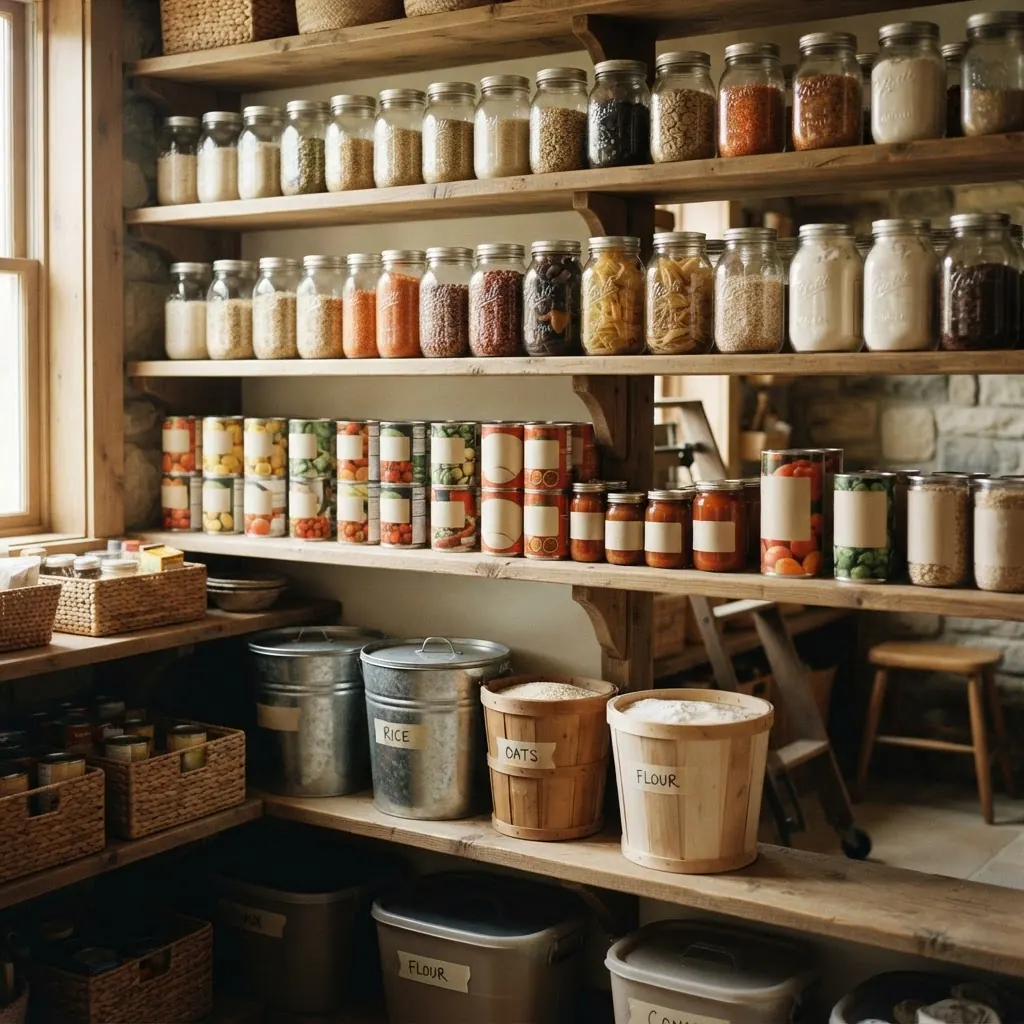
Then we take a detour to a microbrewery, where I watched beer get filled and seam-sealed in aluminum cans on the spot. That little machine sparked a bigger idea for long-term food storage and portable pantry planning: sealing dry staples like rice, beans, sugar, coffee, salt, and oatmeal into lightweight one-pound cans. We talk through a three-tier setup (bulk reserves, everyday rotation, and truly portable portions), what to label, when oxygen absorbers matter, and how I’d test for leaks before trusting it in a go bag or get home bag.
The second half goes where prepping gets personal: the knock on the door during a grid-down event or supply chain disruption. I lay out how a separate “giving box” can help you support neighbors without putting your whole pantry on display, plus why small sealed portions also make the most sense for bartering if a disruption drags on. If any of this hits home, share the episode with a friend, subscribe, and drop a review so more practical folks find the show.