What "Off-Grid" Really Means (And Why Nobody Is Fully Independent)
Off-grid sounds like a finish line. In practice it is a spectrum of trade-offs. Here is how to think about it honestly before you spend a dollar.
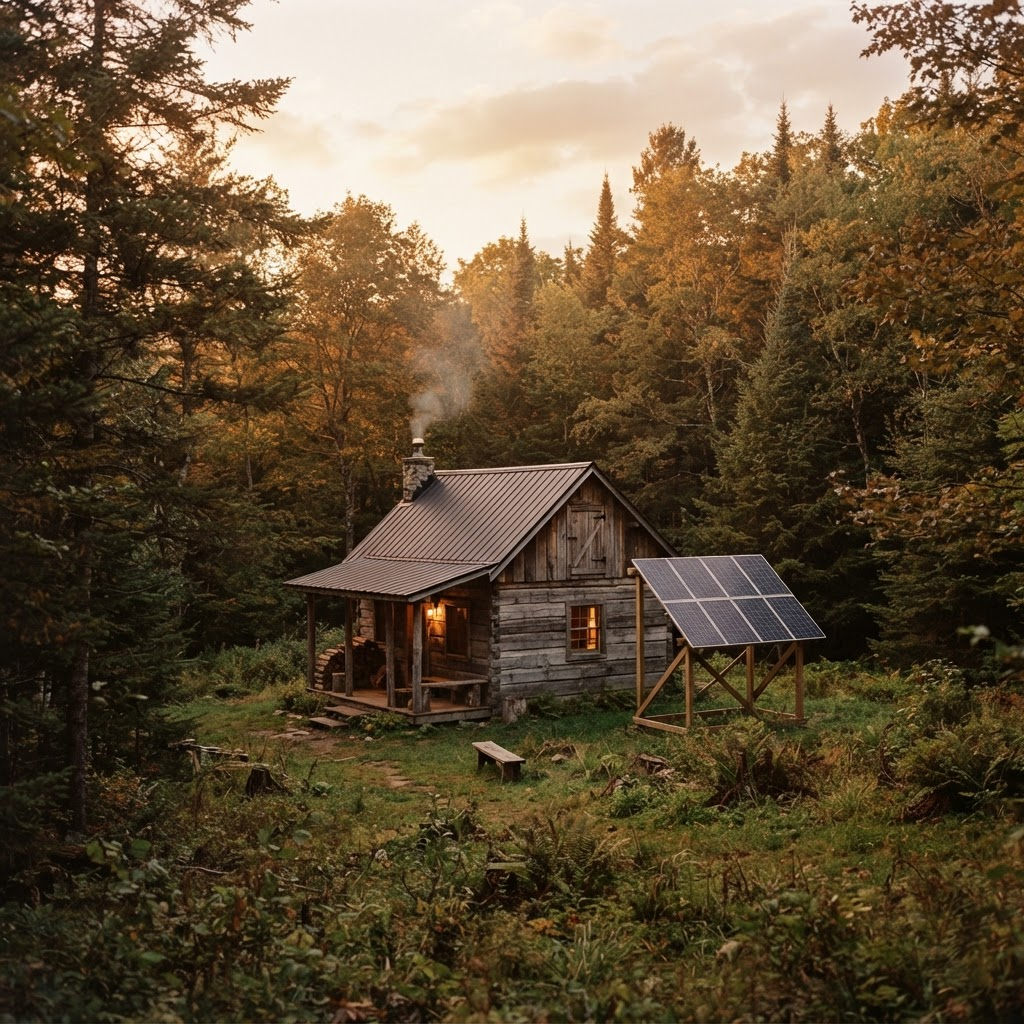
Off-grid is one of those phrases that sells a feeling more than a fact. It conjures a cabin, a wall of solar panels, and total freedom from the outside world. But the deeper you look, the clearer it gets: nobody is truly independent. Even the most self-reliant homestead depends on manufactured parts, fuel, medicine, and knowledge that came from somewhere else.
That is not a reason to give up on the idea. It is a reason to be honest about it. Independence is not a switch you flip — it is a set of dials you turn, one at a time, based on what actually matters to your family.
Off-grid is a spectrum, not a light switch
Think of your home as running on a handful of separate lifelines: power, water, heat, food, communication, and waste. You can move each of those toward self-reliance independently. A city apartment with a rain barrel and a power station is more "off-grid" in one dimension than a rural house that loses everything the moment the utility fails.
The mistake is treating it as all-or-nothing. Most people who chase the full fantasy burn out or go broke. The people who stay prepared for decades pick the one or two lifelines that would hurt the most if they failed, and they harden those first.
Start with the failure that would hurt most
Before you buy anything, ask a simple question: if this one thing stopped working for two weeks, how bad would it be? For someone on a well with an electric pump, water and power are the same problem. For someone who relies on refrigerated medication, backup power is not a hobby — it is a medical necessity.
- Power: a modest battery station plus a few panels covers phones, lights, and a fridge cycle.
- Water: store what you drink for two weeks first, then add a filter and a catchment source.
- Heat: a single non-electric heat source and the fuel to run it beats a whole-house dream you cannot afford.
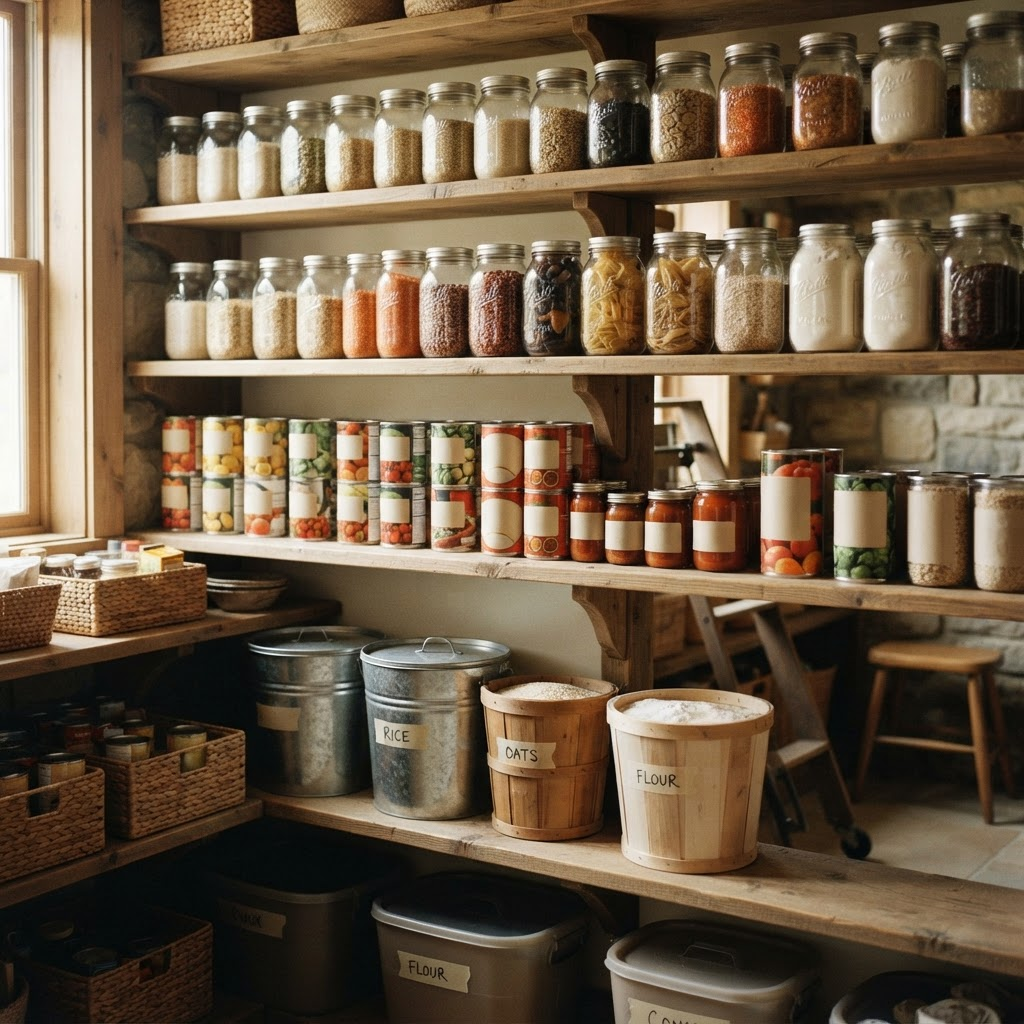
- Food: a deep pantry of what you already eat beats a shelf of specialty buckets you never touch.
The honest goal
The goal is not to disappear from society. It is to choose how dependent you are, on purpose, instead of finding out the hard way. Buy for the failure that would hurt most, get comfortable using the gear before you need it, and treat "off-grid" as a direction you walk — not a place you arrive.